Real Estate Follow Up Emails: How to Land in the Inbox, Not the Spam Folder
You wrote a thoughtful follow up email. You hit send. And then… nothing. No open, no click, no reply. Before you blame the lead, check something else first: your email may never have reached them at all. It may have landed in spam or gotten rejected outright by their provider before a human ever saw it.
This happens to real estate agents more often than most realize. Industry research shows a large share of agent emails land in spam or promotion folders, mostly because of poor list hygiene and weak sending practices rather than bad writing. If you have already worked through how to turn cold leads into closings, email is usually the channel carrying that nurture sequence. If the emails never arrive, the whole system stalls quietly, and you will not even see it happening on your dashboard.
This guide covers what actually controls inbox placement, the words and habits that trigger spam filters, a follow up sequence you can copy, and the compliance basics every agent needs to know in 2026.

Why Most Real Estate Follow Up Emails Never Get Read
Delivered and landed in the inbox are two different things. Your email platform may report a successful send while Gmail or Yahoo quietly files the message under promotions, spam, or rejects it entirely. Gmail and Yahoo tightened their bulk sender requirements, and providers now reject non compliant mail outright instead of just filtering it.
There are three common reasons this happens:
- Your sending domain is not authenticated, so mail providers cannot confirm the email really came from you.
- Your list is full of stale, bounced, or purchased contacts, which damages your sender reputation.
- Your subject lines and content trip spam filters before a person ever sees them.
Each of these is fixable, and none of them require a bigger marketing budget. They require better plumbing.
Fix the Technical Side First: SPF, DKIM and DMARC
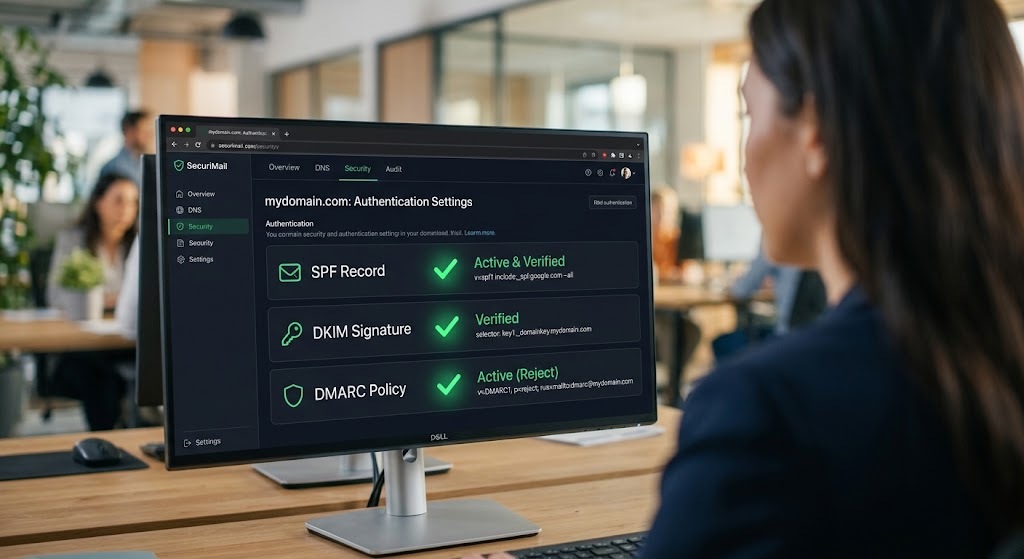
Before touching subject lines or templates, confirm your domain is authenticated. Three records make the biggest difference:
- SPF tells receiving servers which mail servers are allowed to send on your domain’s behalf.
- DKIM attaches a digital signature that proves the email was not altered in transit.
- DMARC tells providers what to do with mail that fails those checks, and gives you visibility into spoofing attempts.
Most agents never check whether these are set up correctly, then spend months building a beautiful nurture campaign that a large portion of recipients never see. You can check your sending reputation and authentication status for free using Google Postmaster Tools, and you can review the technical requirements directly from Google’s bulk sender guidelines. If you use a CRM or a third party sending tool, ask your provider to confirm these records are configured. It is usually a fifteen minute fix once you know what is missing.

Build a List You Actually Own
Purchased real estate lists tend to have weak deliverability and can expose you to legal risk under anti spam law. Every address on your list should come from an opt in: a landing page form, a listing inquiry, an open house sign in, or a referral who agreed to hear from you.
If your pipeline is thin because you are relying on cold outreach, it is worth revisiting how leads enter your funnel in the first place. Our guide on generating real estate leads without cold calling covers seven systems that build a warmer, opt in list instead of a cold one. A cleaner top of funnel makes everything downstream, including email, perform better.
Segment Before You Send
Not every contact should get the same email. A buyer three weeks from closing does not need the same message as someone who downloaded a market guide six months ago and never opened another email since.
At minimum, segment your list by:
- Buyer versus seller
- Stage in the pipeline (new lead, active, nurture, past client)
- Neighborhood or price range
- Engagement level (opened in the last 90 days versus not)
Excluding non openers from your regular broadcasts and re engaging them separately is one of the simplest ways to protect deliverability for your active list, since inbox providers weigh engagement heavily when deciding where your next email lands.
Words and Patterns That Trip Spam Filters
Spam filters look at more than just your subject line, but subject lines are still a common trigger point. Watch for:
- Urgency words like “act now,” “limited time,” or “urgent”
- Overpromising language like “guaranteed” or “free” paired with dollar signs
- ALL CAPS subject lines and excessive exclamation points
- Too many links crammed into one email, or a single email pushing three different offers at once
None of this means your emails need to be bland. It means one clear purpose per email, written the way you would actually talk to a client, with one primary link or call to action.
A Follow Up Sequence That Actually Works
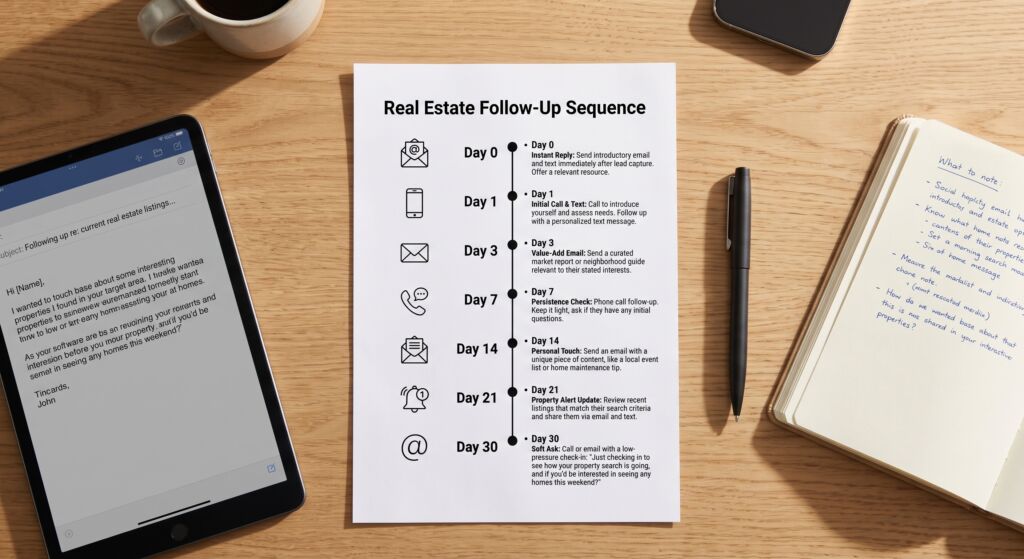
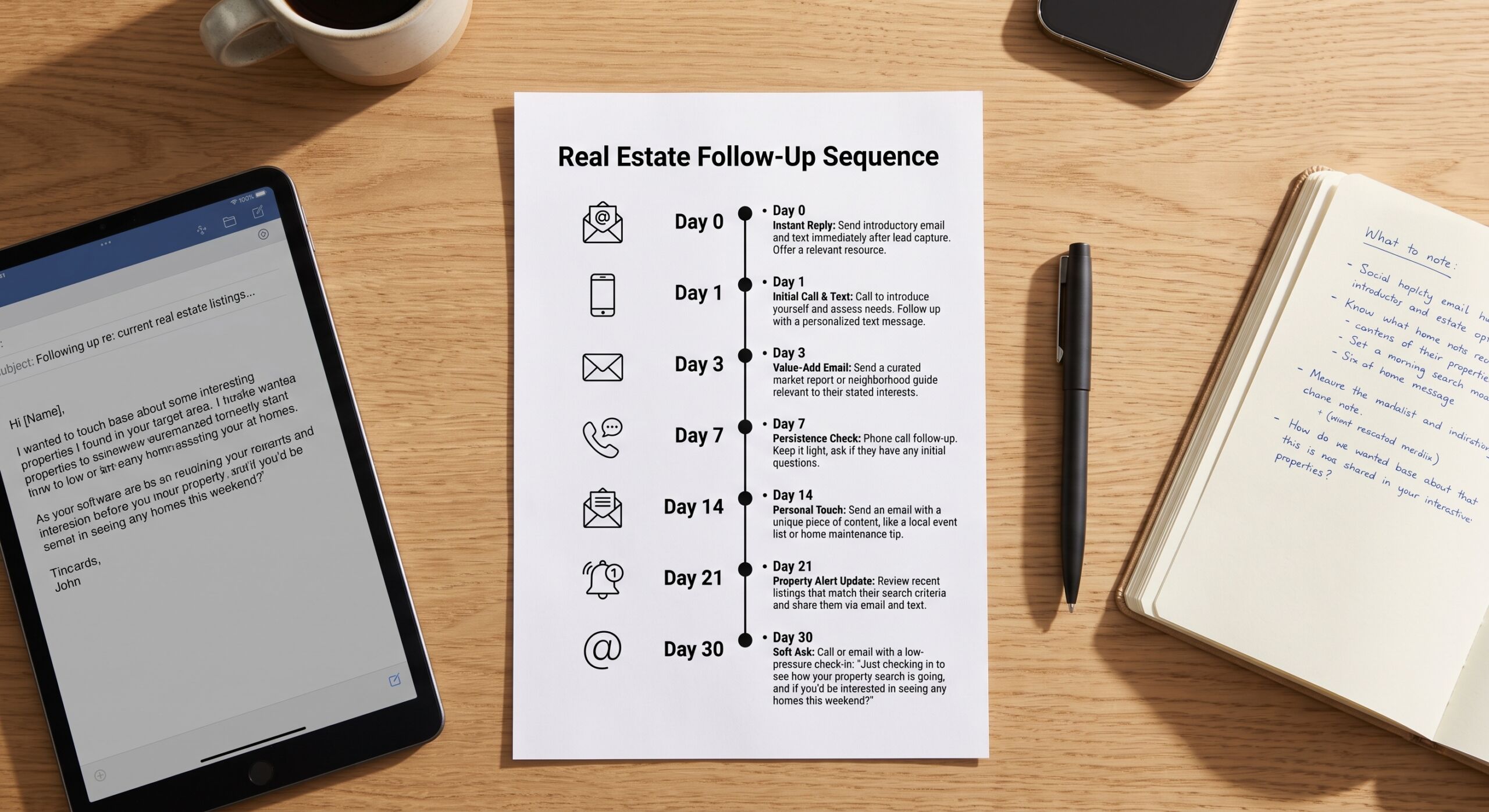
Here is a simple five touch sequence for a new buyer or seller lead that balances usefulness with consistency:
- Day 0, immediate reply: Confirm you received their inquiry and answer their specific question directly.
- Day 2, value email: Share something useful and local, like recent comparable sales or a market update, no pitch attached.
- Day 7, check in: A short, plain text style note asking what is most useful to them right now.
- Day 14, social proof: A brief client story or testimonial relevant to their situation.
- Day 30, soft ask: Invite them to a call, a showing, or a listing consultation, with one clear next step.
This mirrors the structure covered in more detail in our lead nurturing playbook, and it is designed to keep contacts engaged long enough that they stay warm instead of going cold and quietly damaging your sender reputation.
Measuring What Actually Matters
Open rate alone is not the full picture, especially now that many email clients preview or auto open messages. Track these together:
- Inbox placement, checked through Postmaster Tools or your sending platform’s deliverability report
- Reply rate, the clearest sign a message actually reached and resonated with a real person
- Unsubscribe and spam complaint rate, which should stay low and stable over time
If reply rate is flat while your list keeps growing, that is usually a deliverability problem, not a writing problem.
Staying Compliant: The Basics for 2026
Real estate email marketing in the United States is governed primarily by the CAN SPAM Act, and agents working internationally may also need to account for GDPR or CASL depending on where recipients live. At minimum, every marketing email should include:
- Accurate sender information and a truthful subject line
- Your business’s physical mailing address
- A working, easy to find unsubscribe link
- Opt outs honored within the legally required window
You can review the full requirements directly from the Federal Trade Commission’s CAN SPAM compliance guide. Treat compliance as part of your deliverability strategy, not a separate legal chore. It protects your list and your sender reputation at the same time.
Frequently Asked Questions
Why do my real estate emails go to spam even though I am not spamming anyone? Usually it comes down to domain authentication (SPF, DKIM, DMARC) or list hygiene, not the content itself. Check your setup through Google Postmaster Tools before rewriting your templates.
How often should I email my real estate leads? Most agents do well with one to two emails a week for active nurture sequences, and a monthly market update for long term contacts. Consistency matters more than frequency.
Should I buy a real estate email list to grow faster? No. Purchased lists have poor deliverability, damage your sender reputation, and can create compliance risk. Build your list through opt in forms and referrals instead.
Put Your Follow Up on Autopilot
Fixing deliverability and writing a better sequence takes time most agents do not have between showings and closings. If you would rather have a system already built and managed for you, our team can set up your lead generation and nurture systems or handle it through our virtual assistance services, so every lead gets a timely, well written follow up without adding it to your own plate.