You generated the lead. You even called within the first hour. Then… nothing. No reply, no callback, no showing request. Six months later they buy a house — with a different agent.
This is the part of the business nobody talks about at closing-day photo ops: generating a lead is the easy part. Nurturing it until the buyer or seller is actually ready to move is where most agents quietly lose the deal.
If you’ve already read our guide on how to generate real estate leads in 2026, you know how to fill the top of the funnel. This post is about what happens after that — the system that keeps a lead warm for months until they’re ready to act.
Why Most Real Estate Leads Don’t Convert Right Away
It’s tempting to write off a lead who doesn’t respond in the first week. The data says that’s a mistake. Industry research shows the average online real estate lead takes 6 to 24 months to convert, and only about a quarter of leads are ready to act within the first three months — the rest need genuine long-term follow-up. The National Association of REALTORS® has repeatedly found that the agent who stays in touch — not necessarily the one who called first — is usually the one who gets the transaction.
That single fact changes how a lead generation budget should be spent. If you’ve compared shared vs. exclusive real estate leads or looked into what leads actually cost in 2026, you already know leads aren’t cheap. A lead you paid for and then let go cold isn’t a wasted contact — it’s a wasted line item on your marketing spend.
The 6-Step Lead Nurturing System
1. Win the First 5 Minutes
Speed to lead is still the single biggest lever in real estate conversion. Leads contacted within five minutes convert dramatically better than leads contacted even thirty minutes later, yet the industry average response time is measured in hours, not minutes. Before you build a single nurture email, fix this: every inbound lead gets a call, text, or personal message within five minutes, even if it’s just “Got your inquiry, will call you at 6pm — does that work?”
2. Segment Before You Automate

Not every lead needs the same message. Split your database into at least three buckets:
- Hot – actively looking, pre-approved, ready in 0-3 months
- Warm – interested but not urgent, 3-12 months out
- Long-term – just browsing, curious about the market, 12+ months out
A hot lead who gets a generic monthly newsletter feels ignored. A long-term lead who gets a daily “call me now” text feels harassed. Segmentation is what makes automation feel personal instead of spammy.
3. Build a Multi-Channel Drip, Not a Single Email List
Email alone doesn’t cut it anymore. A real nurture sequence mixes:
- Short, personal text check-ins (“Saw this listing and thought of your search — worth a look?”)
- Monthly market update emails
- Retargeting ads so your name stays visible while they browse other sites
- The occasional handwritten note or phone call for your highest-value leads
Consistency matters more than volume. A lead who hears from you briefly every 2-3 weeks for a year will remember you when they’re finally ready — one who gets three emails and silence will not.
4. Lead With Value, Not With “Are You Ready Yet?”
Nobody wants to be asked “still thinking about buying?” every few weeks. Instead, send things people actually want: neighborhood price trends, new listings matching their saved search, mortgage rate updates, or a quick video walkthrough. Every touchpoint should answer “what’s in this for them,” not “what’s in this for me.”
5. Put It on Autopilot — Without Losing the Personal Touch

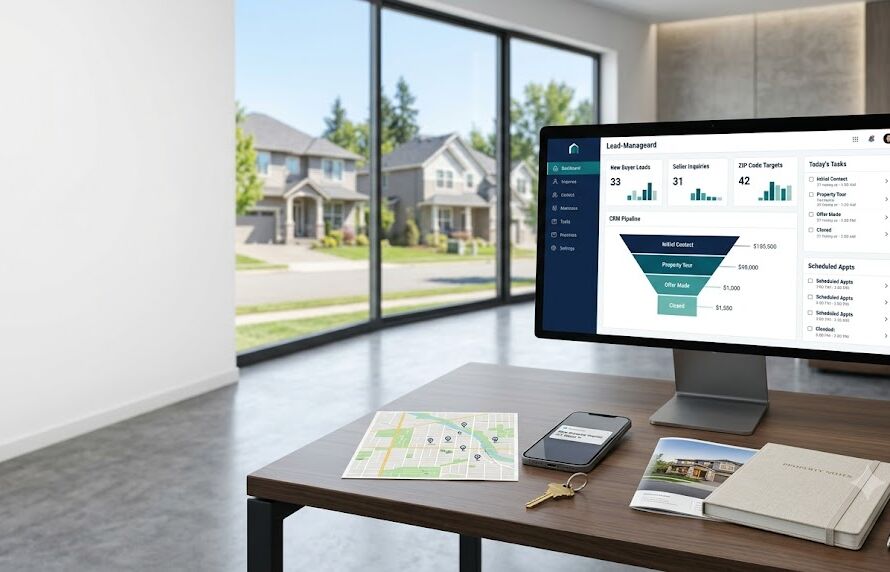
This is where most solo agents fall behind teams: they simply don’t have the hours to manually follow up with 300+ leads every month. A CRM with automated drip sequences handles the volume, but the highest-converting leads still deserve a human touch — a real phone call, a market comparison built specifically for them. This is exactly the kind of workload our virtual assistance services are built to take off an agent’s plate, so leads get consistent follow-up without eating into your showing and negotiating time.
6. Know When to Escalate
Set clear signals that move a lead from “nurture” to “active”: they open every email, click through to listings, ask a specific question, or their pre-approval comes through. When that happens, get a human on the phone that day. Automation’s job is to keep the relationship alive until that moment — not to replace the conversation that actually closes the deal.
Common Nurturing Mistakes That Kill Otherwise-Good Leads
Even agents who understand nurturing in theory tend to fall into a few avoidable traps. We covered several of them in detail in Top 5 Mistakes Real Estate Agents Make When Managing New Leads — the short version is:
- Giving up after 2-3 unanswered touches (most buyers need far more than that)
- Treating every lead the same, regardless of timeline or intent
- No CRM, so follow-up depends entirely on memory
- Nurturing with pure sales pitches instead of useful information
- No clear system for handing warm leads off to a teammate or assistant
Fixing even one or two of these can meaningfully change how many of your existing leads eventually close — without spending another dollar on new lead generation.
Tools That Make Nurturing Realistic at Scale

You don’t need a five-figure martech stack to do this well. At minimum, look for:
- A CRM built for real estate (not a generic sales CRM) with built-in drip campaigns
- Text/SMS automation, since most leads respond faster to texts than emails
- Simple lead scoring so hot leads surface automatically
- Reporting that shows which nurture touches actually lead to appointments
If building and managing that system isn’t the best use of your time, it’s worth exploring dedicated support. Our lead generation and mortgage lender services are designed to pair fresh leads with a nurture process from day one, so agents aren’t starting that six-to-24-month clock from zero every time.
The Bottom Line
Lead generation gets an agent’s business a name on a list. Lead nurturing is what turns that list into a pipeline, and a pipeline into closings. The agents winning in 2026 aren’t necessarily generating more leads than everyone else — they’re simply the last ones still following up when the buyer or seller finally decides to move.
If your lead follow-up is inconsistent, or you’re generating leads faster than you can nurture them, get in touch with our team. We’ll walk you through what a done-for-you nurture system could look like for your business.